How to Craft a Killer Blog Introduction: Tips, Tricks, and Examples to Hook Your Readers
Welcome to the world of blogging, where the introduction is the ultimate game-changer. A well-crafted blog introduction can make or break your article, enticing readers to dive in or click away. In this tutorial, you'll learn the secrets to writing a compelling blog introduction that will leave your audience hooked. From the basics of structuring your intro to the advanced techniques of persuasion, we've got you covered. So, grab a cup of coffee, get cozy, and let's dive into the wonderful world of blog introductions.
Step 1: Define Your Blog Introduction Purpose - Setting the Stage for Success
Before you start writing, it's essential to define the purpose of your blog introduction. What do you want to achieve with your intro? Are you trying to educate, entertain, or persuade your readers? Understanding your goal will help you tailor your content and tone to resonate with your audience. For example, if you're writing a blog post about "how to write a good blog introduction," your purpose might be to educate and provide valuable tips to your readers. Take a look at this example: 
Step 2: Know Your Audience - The Key to Writing a Compelling Blog Introduction
Understanding your audience is crucial to writing a blog introduction that speaks to them. Who are your readers? What are their pain points, interests, and motivations? Knowing your audience will help you create content that resonates with them and addresses their needs. For instance, if you're writing a blog post about "how to write a blog introduction," your audience might be beginner bloggers or content marketers looking for tips and advice. Check out this example: 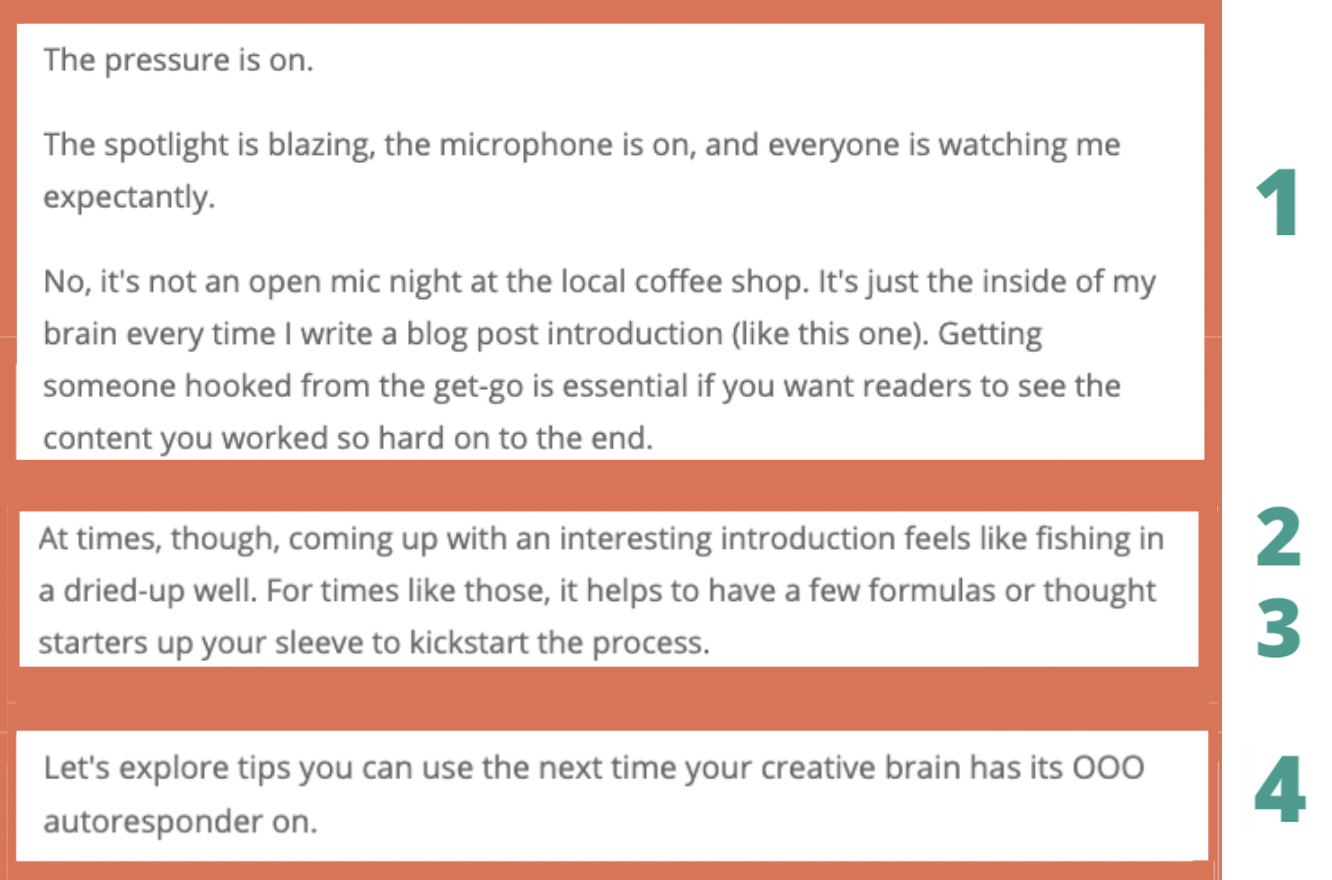
Step 3: Craft a Hook - The Secret to Grabbing Your Readers' Attention
A hook is a crucial element of a blog introduction, grabbing the reader's attention and drawing them in. There are several types of hooks you can use, including quotes, statistics, personal anecdotes, or thought-provoking questions. The key is to create a hook that resonates with your audience and sets the tone for the rest of your content. For example, you could start your blog post with a surprising statistic, like "Did you know that 80% of readers will read your headline, but only 20% will read the rest of your content?" This hook grabs the reader's attention and highlights the importance of writing a compelling blog introduction. Take a look at this example: 
Step 4: Provide Context - Setting the Scene for Your Blog Post
Once you've grabbed your reader's attention with a hook, it's time to provide context for your blog post. This is where you explain the background, relevance, and importance of your topic. Providing context helps readers understand why your content matters and what they can expect to learn from your post. For instance, if you're writing a blog post about "how to write a good blog introduction," you could provide context by explaining the importance of a well-crafted intro in capturing readers' attention and driving engagement. Check out this example: 
Step 5: Write a Compelling Thesis Statement - The Heart of Your Blog Introduction
A thesis statement is the heart of your blog introduction, summarizing the main point of your content and providing a roadmap for the rest of your post. A good thesis statement should be clear, concise, and compelling, giving readers a reason to keep reading. For example, "In this post, we'll explore the secrets to writing a killer blog introduction, including tips, tricks, and examples to help you hook your readers and drive engagement." Take a look at this example: 
Step 6: Edit and Refine - The Final Touches to a Perfect Blog Introduction
Once you've written your blog introduction, it's time to edit and refine. Read your intro out loud, checking for clarity, tone, and flow. Make sure your hook is effective, your context is relevant, and your thesis statement is compelling. Don't be afraid to make changes and try out different versions until you find the perfect mix. Remember, your blog introduction is the first impression readers will have of your content, so make it count. Check out this example: 
Frequently Asked Questions
Q: What's the most important element of a blog introduction?
A: The hook is the most important element of a blog introduction, grabbing the reader's attention and drawing them in.
Q: How long should a blog introduction be?
A: A blog introduction should be long enough to provide context and a thesis statement, but short enough to keep the reader engaged. Aim for around 100-150 words.
Q: What's the best way to write a compelling thesis statement?
A: A good thesis statement should be clear, concise, and compelling, summarizing the main point of your content and providing a roadmap for the rest of your post.
How To Write A Blog Introduction: Helpful Tips & Examples — Polly

How to Write a Blog Introduction: Helpful Tips & Examples — Polly ...
How To Write A Blog Introduction: Helpful Tips & Examples — Polly
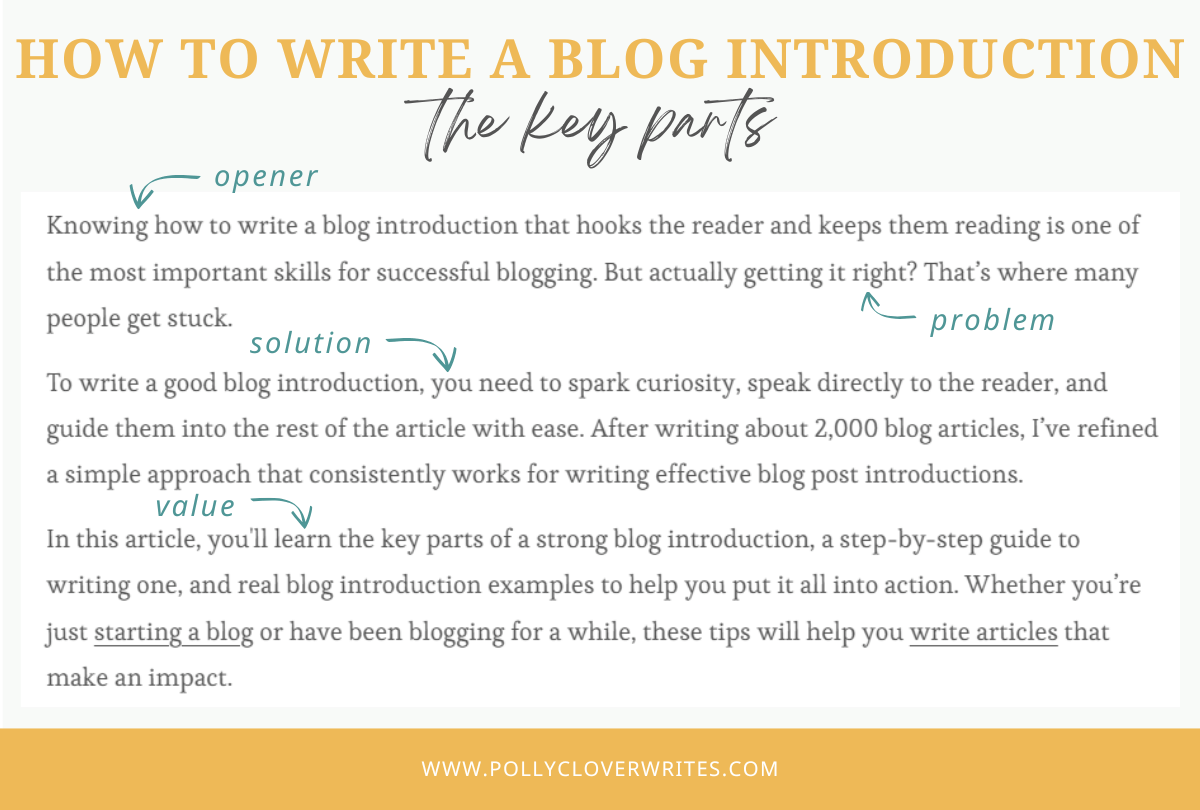
How to Write a Blog Introduction: Helpful Tips & Examples — Polly ...
How To Write A Good Blog Introduction | Zapier
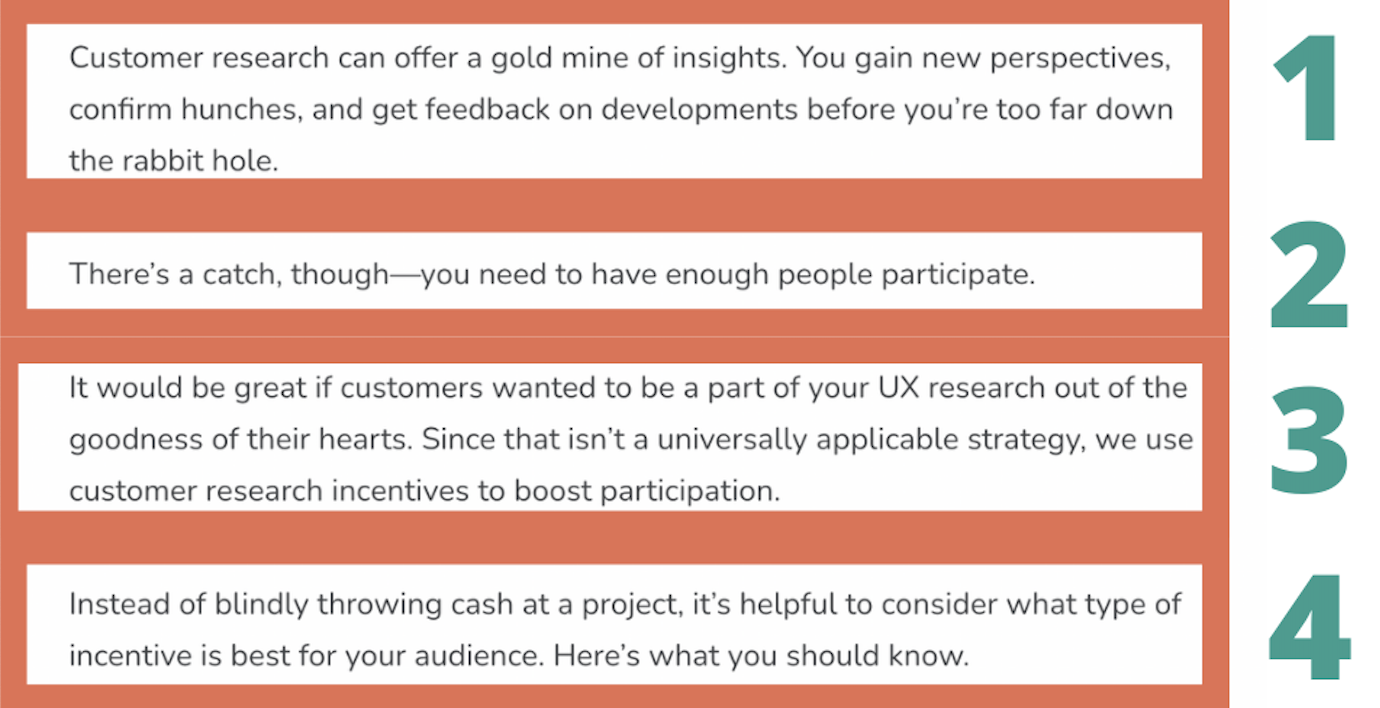
How to write a good blog introduction | Zapier
How To Write A Good Blog Introduction | Zapier
How to write a good blog introduction | Zapier